
Introduction
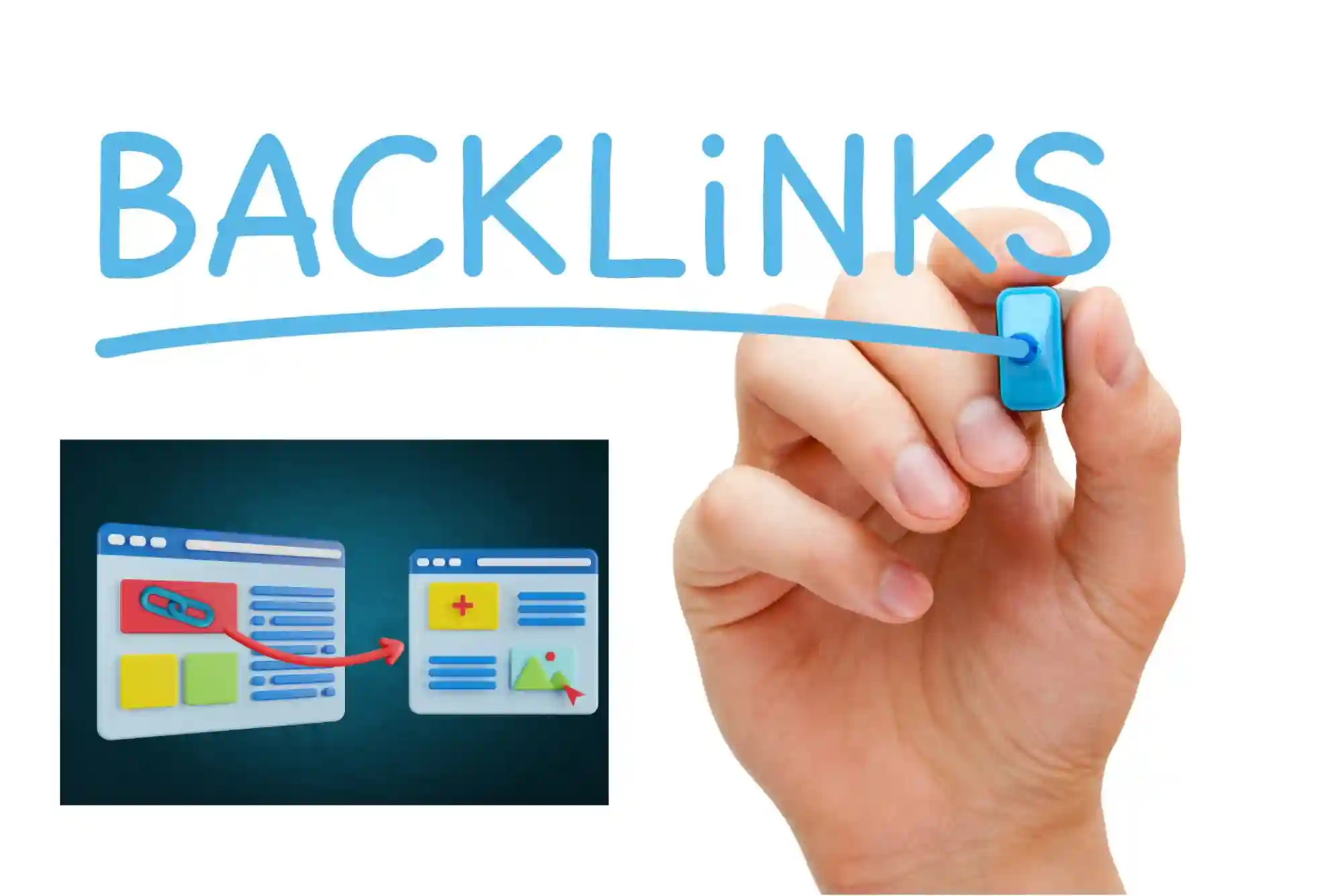
Buying backlinks can look like a simple way to strengthen SEO. A provider promises dozens of links, impressive domain metrics, and fast delivery. On paper, the offer may seem attractive. In practice, however, cheap or poorly vetted links can waste your budget and create an unnatural backlink profile.
Knowing how to avoid buying low-quality links is therefore more important than simply finding the cheapest backlink package. A strong link should make sense for your website, fit naturally within relevant content, and come from a publisher with genuine value.
The challenge is that low-quality links are not always obvious. A website can have a high Domain Rating or Domain Authority while having little real traffic, weak content, or a history of selling links. That is why experienced SEOs look beyond a single metric.
This guide explains how to evaluate backlink opportunities before paying for them, what warning signs to look for, and how to choose links that support a sustainable SEO strategy.
Why Buying Low-Quality Links Is a Problem
The first step in understanding how to avoid buying low-quality links is knowing what makes a link poor in the first place.
A low-quality backlink usually comes from a website that provides little genuine value to users. The site may exist primarily to publish sponsored articles, host unrelated links, or manipulate SEO metrics.

Not every paid placement is automatically the same. The important issue is whether the link arrangement is designed primarily to manipulate search rankings and whether the publisher provides genuine editorial or audience value.
Search engines have become much better at identifying unnatural linking patterns. They can also ignore links that provide little value. That means paying for hundreds of weak links may accomplish far less than buying or earning a small number of genuinely relevant placements.
The biggest mistake is treating backlink quantity as the primary goal. A website with 500 irrelevant links is not necessarily stronger than a competitor with 30 highly relevant editorial mentions.
What Makes a Backlink High Quality?
Before learning how to avoid buying low-quality links, establish a clear definition of quality.
A valuable backlink normally comes from a website that has a legitimate purpose, useful content, relevant subject matter, and a real audience. The linking page should also make contextual sense.
Relevance Comes First
Relevance is one of the easiest ways to separate useful opportunities from poor ones.
Imagine you operate a property consultancy in Dubai. A contextual link from a UAE property, business, finance, or lifestyle publication can make sense. A link from an unrelated website about gaming, pharmaceuticals, or random entertainment topics is much harder to justify.
This does not mean every link must come from the exact same niche. Websites can naturally receive links from broader publications. The key question is whether the relationship between the source, article, and destination feels reasonable.
For businesses targeting the UAE market, carefully selected UAE guest posting opportunities can be more useful than generic bulk placements because publisher relevance can be evaluated before publication.
Check the Website’s Real Audience
Metrics are useful, but they should not be treated as proof of quality.
Look at the website’s estimated organic traffic, ranking keywords, publishing history, audience geography, and topical focus. A site showing a strong authority score but almost no organic visibility deserves further investigation.
A healthy publisher normally has evidence that real users discover and read its content.
Traffic quality matters too. A website receiving visitors from countries completely unrelated to its intended audience may not be useful for a locally focused campaign.
Examine the Actual Content
Never evaluate a backlink website only from its homepage.
Open several recent articles. Read the content. Check whether topics are connected. Look at author information, formatting, sources, internal links, and publishing consistency.
If almost every article contains multiple commercial links and the topics jump from insurance to casinos to cryptocurrency to plumbing within a few days, that is a warning sign.
Real publications usually demonstrate some editorial consistency.
Look Beyond Domain Authority and Domain Rating
One of the most important lessons in how to avoid buying low-quality links is not to become obsessed with DA or DR.
Domain Authority and Domain Rating are third-party metrics. They can help compare websites, but they do not represent Google’s own quality score.
A site with DR 70 is not automatically better than a relevant DR 35 publication.
For example, a highly relevant niche website with real readers and consistent organic visibility may offer more practical value than a high-metric website created mainly to sell links.
Use authority metrics as one data point rather than the final decision.
Compare Multiple Quality Signals
A stronger evaluation considers several factors together.
Look at the site’s topical relevance, organic visibility, content quality, referring-domain profile, publishing history, outbound-link behavior, and audience.
You should also inspect the page where your link will appear.
A strong domain can still provide a poor placement if the specific page is thin, irrelevant, overloaded with commercial links, or difficult for users to discover.
Watch for Unnatural Anchor Text Patterns
Anchor text is another major factor when deciding how to avoid buying low-quality links.
If a provider promises that every backlink will use the exact keyword you want to rank for, be cautious.
Natural backlink profiles normally contain a mixture of branded phrases, URLs, natural language, partial matches, and occasional keyword-focused anchors.
An aggressive campaign that repeatedly uses the same commercial phrase across unrelated websites can look manufactured.
For example, if your target keyword is “Dubai property lawyer,” receiving hundreds of links using exactly “Dubai property lawyer” is less natural than having publishers refer to your brand, service, page topic, or website in different ways.
The goal should not be to force a specific anchor into every placement. The goal is to build a backlink profile that resembles genuine editorial recommendations.
Avoid Websites Covered in Paid Links
A publisher may accept sponsored content. That alone does not tell you whether the site is valuable.
The bigger concern is a website where almost every article appears to exist for selling backlinks.
Open the site’s recent posts and examine the commercial density. Are there multiple outbound links in every article? Are unrelated businesses being promoted constantly? Do articles appear thin and formulaic?
If the answer is yes, the website may be operating more like a link marketplace than a genuine publication.
This is one reason transparent quality backlink packages should focus on publisher quality, relevance, and placement rather than simply promising a large number of domains.
Be Careful With Extremely Cheap Backlink Offers
Price is not a direct measure of quality, but unusually cheap offers deserve scrutiny.
When a provider promises hundreds of backlinks for a very small amount of money, ask how those links can realistically be sourced, reviewed, and placed.
Quality outreach takes time. Publisher research takes time. Content creation takes time. Reviewing relevance and checking placements also takes time.
If the economics do not make sense, there is usually a reason.
Cheap links may come from automated directories, expired domains, low-quality blogs, link networks, or websites with little genuine audience value.
The problem is not necessarily that an inexpensive link can never be useful. The problem is that bulk pricing often encourages quantity over quality.
Check Where the Link Will Appear
Placement matters.
A contextual link inside a useful article is generally more meaningful to users than a link hidden in a footer, sidebar, author profile, or unrelated resource section.
Ask the provider for the expected article topic and placement before purchasing.
You should understand whether the link will appear within the main content, whether the article will be publicly accessible, and whether the page is intended for real readers.
A good placement should look like a useful recommendation rather than an advertisement disguised as an editorial reference.
Investigate the Publisher Before Paying
One of the simplest ways to improve your process is to perform your own publisher checks.
Search the domain name and review its reputation. Look at recent articles and determine whether the site is still active. Check whether its pages appear in search results.
You can also investigate the site’s backlink profile using professional SEO tools.
The purpose is not to find a perfect website. No real website has a perfect backlink profile. The objective is to identify obvious manipulation, poor relevance, and suspicious patterns before spending money.
Look for Signs of a Link Network
Be particularly cautious when multiple websites appear almost identical.
Similar design, identical authors, repeated article structures, overlapping outbound links, and very similar publishing patterns can indicate a network.
One questionable website may not tell you much. Several connected websites displaying the same behavior are much more concerning.
Ask the Provider Difficult Questions
A reliable backlink provider should be able to explain its process.
Ask how publishers are selected, how relevance is assessed, whether websites are manually reviewed, how traffic is evaluated, and what reporting you will receive after publication.
You can also ask whether you will receive the live URL, anchor text, target URL, publication date, and publisher information.
Vague answers are a warning sign.
A provider that focuses entirely on “high DA links” without discussing relevance or editorial quality may be optimizing its sales pitch rather than your SEO campaign.
Do Not Judge Links by Quantity Alone
A common misconception is that more backlinks automatically mean better SEO.
In reality, one strong and relevant placement can be more useful than dozens of weak links.
Suppose two campaigns cost the same amount. Campaign A produces 100 unrelated links from weak websites. Campaign B produces 15 carefully reviewed placements from relevant publishers with genuine audiences.
Campaign B may provide the stronger long-term foundation.
This is why how to avoid buying low-quality links is ultimately a question of evaluation rather than volume.
You should ask, “Would this link still make sense if search engines did not exist?”
If the answer is yes because the article helps readers and the publisher is relevant, you are probably looking at a healthier opportunity.
If the only reason for the link is to increase a metric, reconsider the purchase.
Consider the Destination Page Too
Even a high-quality backlink cannot compensate for a poor destination page.
Before building links, make sure the page being promoted deserves attention. It should answer the search intent clearly, provide useful information, demonstrate expertise, and offer a good user experience.
For example, a link to a detailed industry guide is easier to justify than a link to a thin page containing only a sales pitch.
Strong link building works best when content quality and off-page authority support each other.
This is also where seemingly unrelated resources can sometimes become useful. A website such as secondsmell demonstrates why topical context matters: the usefulness of any backlink depends heavily on whether the source and destination make sense within the surrounding subject matter.
Create a Pre-Purchase Quality Check
Before buying any backlink, pause and review the opportunity as though you were the site’s editor.
Ask yourself whether the publisher has a real purpose, whether its content is useful, whether its audience matches your market, whether the article topic is relevant, and whether the placement looks natural.
Then consider the site’s organic visibility and outbound-link behavior.
This short review can prevent expensive mistakes.
It is also worth keeping records of your placements. Maintain the publisher URL, target URL, anchor text, article title, publication date, and cost. Over time, this information helps you understand which publishers actually contribute value.
What to Do If You Already Bought Bad Links
If you have already purchased low-quality links, do not panic.
First, identify what you actually bought. Review the referring domains and classify the links based on relevance, quality, placement, and obvious manipulation.
Do not assume every low-authority link is harmful. The presence of a low-quality link does not automatically mean your website has been penalized.
Modern search systems can often ignore spammy or manipulative links. The more serious concern is an unnatural linking campaign that you intentionally built or a manual action associated with unnatural links.
If you believe there is a genuine problem, investigate it carefully rather than paying another company for an aggressive “toxic link cleanup” without understanding the cause.
A Better Approach to Buying Backlinks
The safest approach is to treat backlinks as relationships and editorial placements, not commodities.
Start with relevance. Evaluate the publisher. Check its audience. Review its content. Inspect the placement. Analyze anchor text. Then consider the price.
This approach naturally reduces the risk of buying poor-quality links.
For businesses operating in competitive markets, a carefully researched campaign can also be scaled gradually. You do not need hundreds of links immediately. You need a sustainable acquisition process that consistently prioritizes quality.
Google’s systems are designed to combat manipulative linking practices, while many spammy links may simply be ignored. That makes thoughtful publisher selection far more sensible than chasing artificial link volume.
Choose Links for Value, Not Numbers
Learning how to avoid buying low-quality links can protect both your SEO budget and your website’s long-term strategy.
Do not let impressive metrics make the decision for you. Check relevance, real traffic, content quality, placement, anchor text, outbound links, and publishing patterns. Most importantly, ask whether the backlink would make sense to an actual reader.
A quality backlink should support your brand, provide context, and come from a website that has genuine value of its own.
If you are planning a backlink campaign, start with a small group of carefully reviewed publishers instead of purchasing a large quantity of unverified links. Evaluate the results, monitor your backlink profile, and scale the strategy based on evidence.
FAQs
What makes a backlink high quality?
A high-quality backlink generally comes from a relevant, credible website with useful content and a genuine audience. The link should appear naturally within relevant editorial content. Real traffic, topical relevance, strong content, and sensible placement are more useful indicators than a single authority metric.
How do I know if a backlink is bad?
Check whether the linking website is relevant, active, useful, and visible in search. Be cautious when a site has thin content, excessive commercial links, unrelated topics, suspicious publishing patterns, or obvious signs of a link network. A single low-quality link is not automatically harmful, so evaluate patterns rather than relying on one metric.
Are toxic backlinks bad for SEO?
Not necessarily. Many spammy backlinks can simply be ignored by Google’s systems. The greater concern is an unnatural link-building campaign that you intentionally created or a situation involving a manual action. Therefore, do not assume that every backlink marked “toxic” by an SEO tool requires immediate removal.
Should I buy backlinks for SEO?
Buying links specifically to manipulate search rankings can create significant risk. A safer approach is to focus on genuine editorial opportunities, relevant publishers, useful content, and transparent link-building practices. The objective should be earning meaningful references rather than accumulating links simply because they are available.
How can I check the quality of a backlink before buying it?
Review the publisher’s topical relevance, organic visibility, content quality, audience, outbound-link behavior, and recent publishing history. Also inspect the exact page where your link will appear. Do not approve a placement solely because the website has a high DA or DR.
Is a high DA backlink always better?
No. DA is a third-party metric and should not be treated as a guarantee of SEO value. A relevant website with genuine users and strong content can be a better prospect than a high-DA site with weak visibility and excessive paid links. This is why experienced link builders assess several quality signals together.