
Introduction
Are your monthly utility bills skyrocketing every time the summer heat peaks? You are not alone. Cooling a home takes a massive toll on power grids and household budgets. When your cooling system runs constantly, it loses its punch and drains your wallet. Learning how to improve air conditioner energy efficiency can change everything. It lowers your carbon footprint and extends the lifespan of your unit. Let us dive into the best practical steps you can take right now.
Understand Your Cooling System
Before fixing anything, you must know how your system operates. Many homeowners ignore basic maintenance until a breakdown occurs. Units work harder when filters clog or coils gather dust. Knowing your system helps you spot early warning signs of trouble. Regular checkups prevent minor issues from turning into costly emergency repairs.
Change Air Filters Regularly
Dirty filters restrict airflow and force your unit to work overtime. This single issue ranks as the primary cause of high energy bills. You should check your filters at least once a month. Replace them every sixty to ninety days, or sooner if you have pets. Clean filters ensure smooth airflow and instantly boost your air conditioner energy efficiency.
Schedule Professional Maintenance
DIY tricks are great, but professional tune-ups are non-negotiable. Technicians check refrigerant levels, test electrical components, and lubricate moving parts. If you live in the region, investing in a reliable unit like an ensures top-tier performance. Regular servicing catches hidden leaks and electrical faults early. Experts recommend booking a service appointment twice a year before peak seasons start.
Optimize Your Thermostat Settings
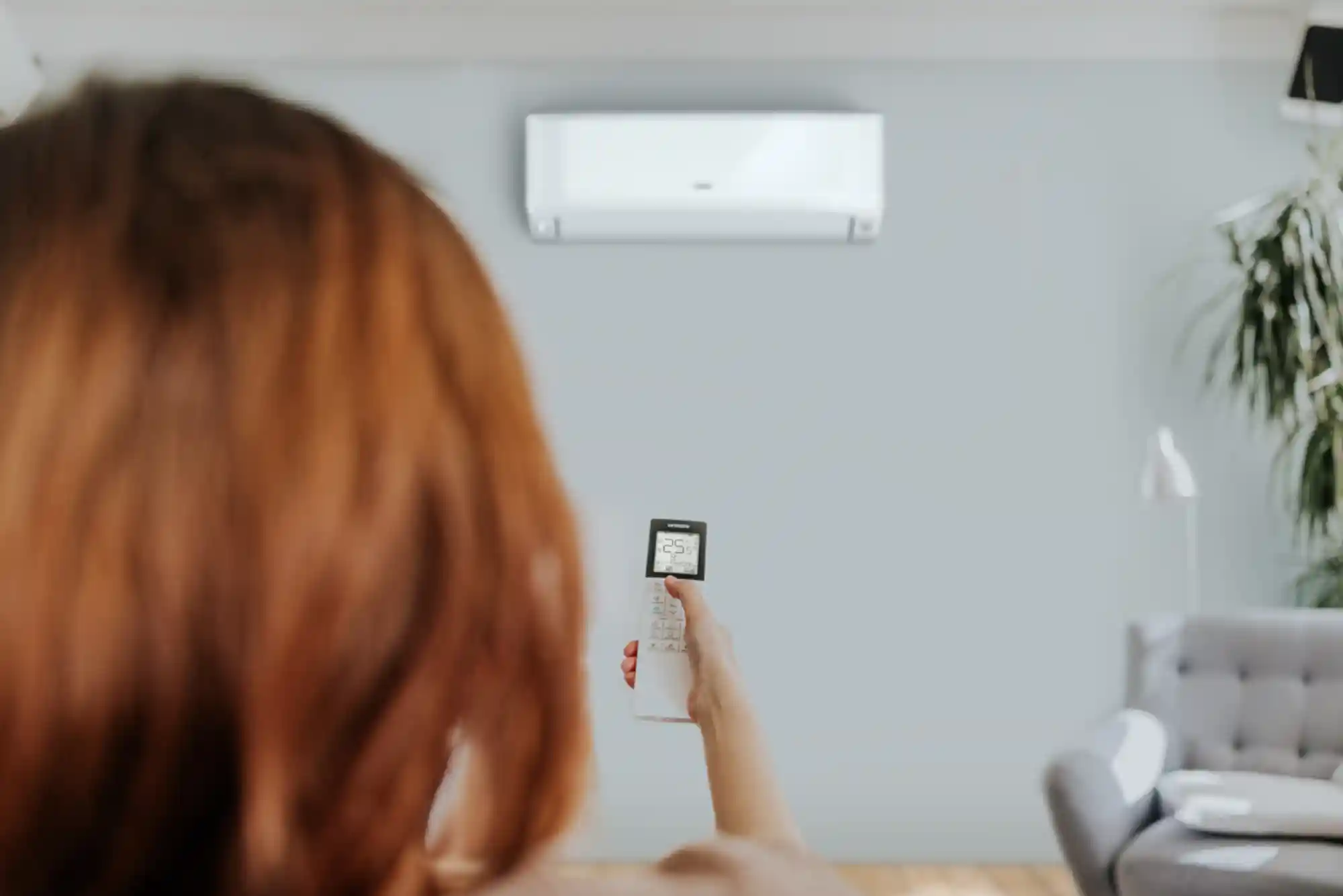
Setting your thermostat too low will not cool your house faster. It only forces the compressor to run continuously until manual shutdown. Try setting your thermostat to 24 degrees Celsius for an ideal balance. Every degree lower increases your energy consumption by a significant margin. Programmable thermostats make this process entirely automatic and hassle-free. They adjust temperatures when you sleep or step out for work.
Seal Leaks and Improve Insulation
Cool air escapes through tiny gaps around windows and doors. Warm outdoor air sneaks in to replace that precious chilled air. Inspect your home for drafts and seal them with weatherstripping. Upgrading your attic insulation keeps indoor temperatures stable for longer periods. When your home is well-sealed, your AC cycles less frequently and saves power.

Maintain Outdoor Condenser Units
Your outdoor compressor needs breathing room to release heat efficiently. Trim back bushes, shrubs, and tall grass at least two feet away. Clear away fallen leaves, twigs, and dirt from the metal fins. A blocked condenser traps heat and strains the entire mechanical system. Gently wash away accumulated dust using a standard garden hose.
Use Ceiling Fans Wisely
Ceiling fans do not actually lower the room temperature directly. Instead, they create a wind-chill effect that makes human skin feel cooler. Turn on fans only when you are inside the room to save power. This simple trick lets you set your thermostat a few degrees higher. Your cooling unit will run less often without sacrificing your personal comfort.
Upgrade to Modern Energy Efficient Units
Older cooling systems lose efficiency rapidly over ten to fifteen years of use. Investing in modern technology changes your home cooling experience completely. If you want a robust upgrade, explore options from O General ac UAE for unmatched cooling power. Newer inverter models adjust compressor speeds dynamically to save massive amounts of electricity. Though upfront costs are higher, long-term savings make them worth it.
Discover fresh perspectives, useful ideas, and engaging content at Second Smell. Whether you are looking for interesting topics, helpful information, or something new to explore, this platform offers an easy way to find valuable resources. Visit the homepage to explore more and stay connected with the latest updates.
Conclusion
Improving your home cooling efficiency does not require an engineering degree. Simple habits like changing filters, sealing leaks, and scheduling tune-ups create massive results. Start applying these actionable tips today to watch your monthly utility bills drop. Take control of your home climate and enjoy a cooler, greener living space. Share this guide with friends or drop a comment below with your favorite energy-saving tip.
Related Reading: Popcorn Ceiling Removal in Baton Rouge LA